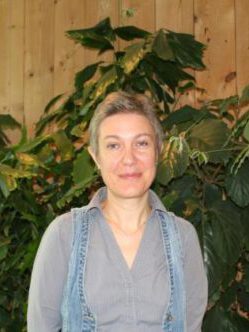
Paolina Garbeva is a senior scientist and research group leader in the Department of Microbial Ecology at the Netherlands Institute of Ecology (NIOO-KNAW). She is also Professor of Plant Microbiome Systems at the Faculty of Science and Engineering, Earth System Sciences, at Maastricht University. She received her PhD from Leiden University, The Netherlands in 2005. Her research is currently focused on understanding the underlying mechanisms of microbe-microbe and plant-microbe interactions, paying particular attention to the role of microbial volatiles. She would like to further decipher the molecules used by plants and microbes to communicate and harness the potential of those molecules and the microorganisms that produce them to improve plant growth and health.
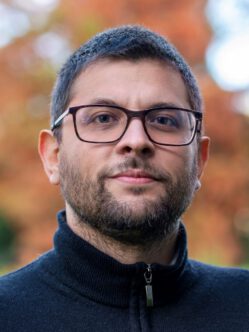
Dr. Ioannis Stringlis is Assistant Professor of Phytopathology at the Agricultural University of Athens. He is working on a) plant-microbiome-pathogen interactions, b) mechanisms of induced systemic resistance in plants, c) interaction between iron deficiency and pathogens, and d) plant defense mechanisms activated in response to phytopathogens and beneficial microbes. Prior to his appointment as Assistant Professor, he has performed his PhD studies and later worked as postdoctoral researcher at Plant-Microbe Interactions group (Chair: Prof. Corné Pieterse) in Utrecht University in the Netherlands (2012 - 2023). He has obtained his BSc (2003 - 2008) and MSc (2010 - 2012) degrees in Agricultural University of Athens.

Dr. Angela Sessitsch is Head of the Bioresources Unit at the AIT Austrian Institute of Technology. She studied biochemistry at the University of Technology in Graz, holds a PhD in Microbiology from the Wageningen University, the Netherlands, and is habilitated at the Vienna University of Natural Resources and Life Sciences. She has pioneered plant-associated microbiomes and is interested in understanding the interactions between plants, microbiomes and the environment as well as to develop applications. Her team explores the diversity and functioning of plant microbiota by applying a range of molecular approaches, interaction modes between plants and model bacteria, colonization behaviour of endophytes as well as various application technologies for biocontrol and crop enhancement applications. Together with her group A. Sessitsch published more than 250 peer-reviewed publications and is co-inventor of several patents. She co-chairs the EPSO Working Group “Plants and Microbiomes” and is current President of the international MicrobiomeSupport Association.
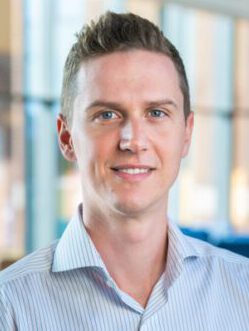
Francisco Dini-Andreote is an Assistant Professor in the Department of Plant Science at Pennsylvania State University. He earned his Ph.D. from the University of Groningen and completed postdoctoral research at the Netherlands Institute of Ecology (NIOO-KNAW). His lab studies the ecological and evolutionary processes mediating plant-microbe interactions, with an emphasis on leveraging microbial functions to promote plant biotic and abiotic stress tolerance.
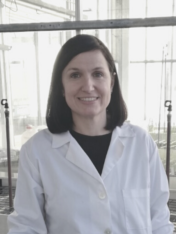
Ainhoa Martinz Medina has focused her career on understanding how beneficial microbes in the rhizosphere microbiome boost plant immunity and thereby stimulate plant health. After obtaining her PhD (CEBAS-CSIC, Spain), she moved to the lab of Dr Pozo (EEZ-CSIC, Spain) as a Postdoctoral Researcher, and later to the lab of Prof. Pieterse, at Utrecht University as a Marie Curie Postdoctoral Fellow (The Netherlands). She investigated molecular mechanisms of the plant immune system underlying Microbe-Induced plant Resistance (MIR). Later, as a Project Leader, she joined the group of Prof. van Dam at iDiv (Germany), where she focused on molecular ecology of MIR. In 2019, she secured an Attraction of Talent Grant, that allowed her to incorporate as a Junior Group Leader at IRNASA-CSIC (Spain). In 2021, she was rewarded a Ramón y Cajal contract; and in 2023, she got promoted to Tenured Scientist. Currently, she is the team leader of MOLECOLAB.
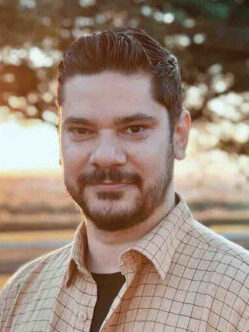
Assistant Professor on Ecogenomics and Environmental Sustainability at the Center for Nuclear Energy in Agriculture, University of Sao Paulo (CENA-USP), in Piracicaba-SP, Brazil. Bachelor in Biological Sciences with Master (2009) and PhD (2014) in Sciences (Biology in Agriculture and Environment) by CENA-USP and the Netherlands Institute of Ecology (NIOO-KNAW). Post-doctoral studies at CENA/USP and NIOO-KNAW. His research has focused on the study of microbial communities in soils from different Brazilian biomes and in association with plants, in order to understand their functions and importance for the environment, seeking to provide useful information for the use of soil microbiota in the maintenance of ecosystems, recovery of degraded areas, and promotion of agricultural crops. In collaboration with several national and international research groups, his projects currently focus on studies of microbiomes, involving microbial ecology, molecular biology and bioinformatics.
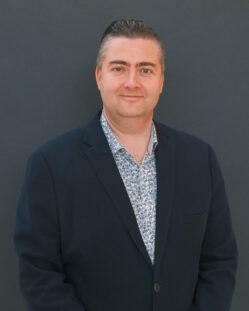
Ákos T. Kovács is a Professor of Microbiome Ecology at Leiden University, the Netherlands. He received his MSc and PhD at the University of Szeged in Hungary and performed his post-doctoral training at the University of Groningen in the Netherlands. In 2012, he started a research group at the Friedrich Schiller University of Jena, Germany, and became Professor at the Technical University of Denmark in 2017. He moved his research group to the Institute of Biology at Leiden University in 2023. His research focuses on the interaction of Bacilli with plant rhizosphere microbiome members, including bacteria and fungi. He also investigates the ecology and evolution of Bacillus subtilis biofilms, their secondary metabolites, and circadian rhythm.
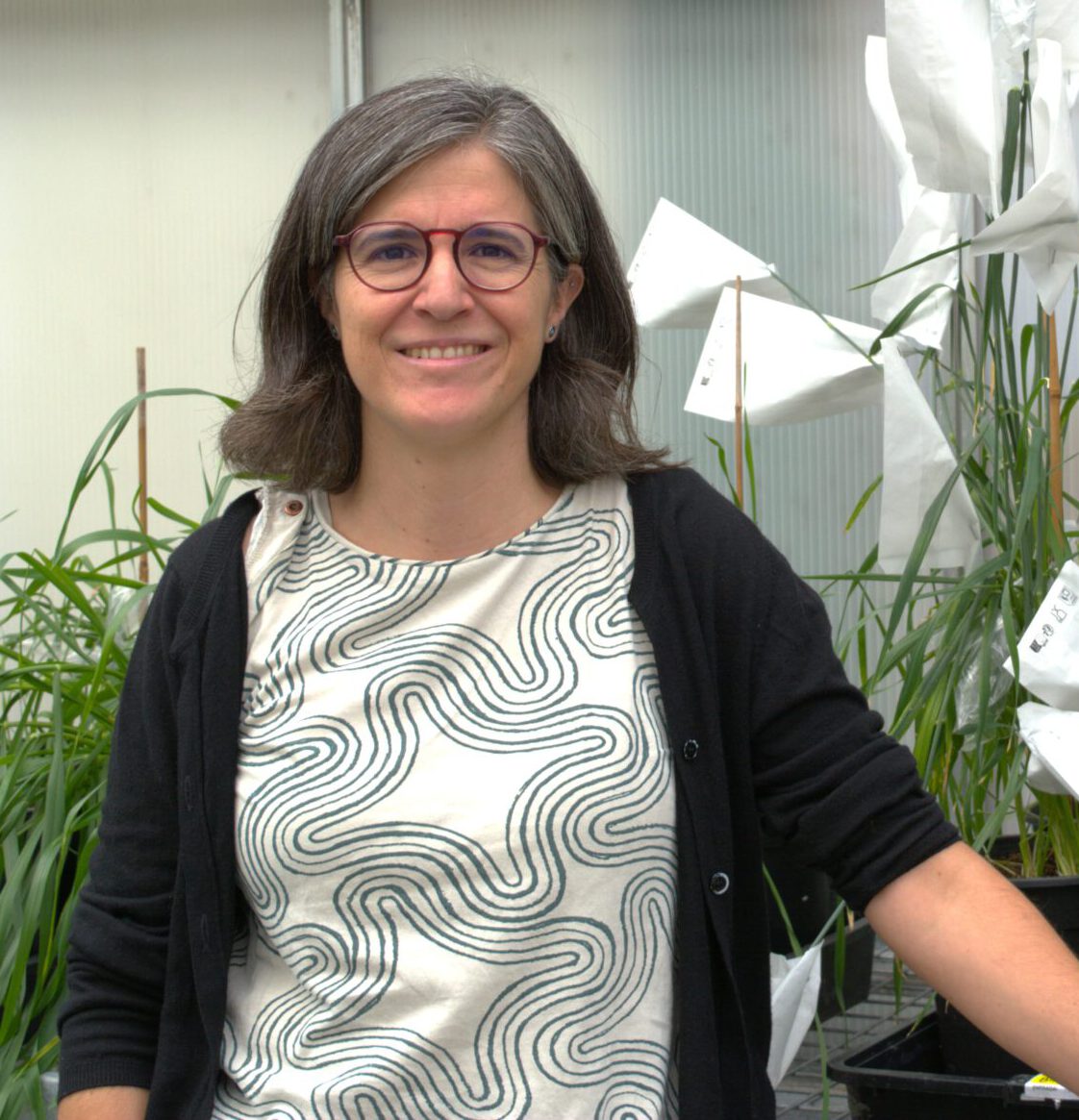
Andrea Sánchez-Vallet is a senior scientist at the Center of Biotechnology and Genomics of Plants (CBGP) in Spain. Her research focus on understanding the molecular mechanisms mediating plant-pathogen interactions. Dr. Sánchez-Vallet obtained her PhD from the Polytechnic University of Madrid (Spain) and was a postdoctoral researcher at Wageningen University and Research (The Netherlands). She later became a junior group leader at ETH Zurich (Switzerland) before moving to Spain. She integrates molecular biology, and population genomics to gain a comprehensive understanding of how pathogens adapt to their hosts.
Julia Vorholt is a Professor of Microbiology at ETH Zurich, Switzerland. She studied biology at the Universities of Bonn and Marburg and conducted her PhD at the Max-Planck-Institute for terrestrial Microbiology in Germany. After a postdoc at the University of Washington in Seattle, USA, she led a research group at the MPI Marburg and then at the French National Centre for Scientific Research (CNRS) in Toulouse. She joined ETH Zurich as Associate Professor in 2006 and has been Full Professor since 2012. Since 2020, she has been Co-Director of the Swiss National Centre of Competence in Research (NCCR) Microbiomes. Her research focuses on plant microbiomes, with an emphasis on the phyllosphere, one-carbon metabolism, and endosymbioses.
Manuel Delgado Baquerizo is the leader of the Biodiversity and Ecosystem Function lab at IRNAS-CSIC. His research aims to advance our understanding on soil biodiversity and ecosystem function in natural, agricultural and urban ecosystems under global change to provide innovative knowledge and solutions to help conserving soils worldwide
Viviane Cordovez is a senior scientist in the Department of Microbial Ecology at the Netherlands Institute of Ecology (NIOO-KNAW). She obtained her PhD at Wageningen University in the Netherlands. Her research focuses on plant-microbe interactions and the potential of plant-associated microorganisms, particularly the phyllosphere microbiome, to improve plant resilience to (a)biotic stresses. In 2020, she established her research group, which explores the diversity and functional potential of yeasts in the phyllosphere of native and crop plants, through culturomic, metabolomic and genomic approaches.
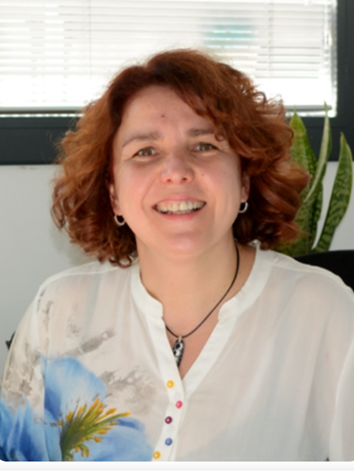
Researcher in the Department of Soil and Plant Microbiology at the Estación Experimental del Zaidín, Spanish National Research Council (CSIC). Her primary research focuses on understanding how microbes, particularly mycorrhizal fungi, can boost plant immunity and how this knowledge can be used for sustainable crop protection. After earning her PhD in plant biology from Granada University in 1999, she worked on functional genomics of biocontrol fungi at Texas A&M University. She then studied the molecular mechanisms behind microbe-induced resistance in plants as a Marie Curie postdoctoral fellow in the Plant-Microbe Interactions group at Utrecht University. In 2005, she returned to Spain and established the Mycostress group focusing on the molecular mechanisms regulating mycorrhiza-induced resistance against pests and pathogens in tomato, and how to implement this induced resistance in current agronomic practices. Currently, she is co-chair of the "Plant Health" working group of the European Plant Sciences Organization (EPSO).
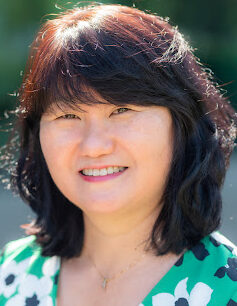
Eiko Kuramae is a Senior Scientist at the Netherlands Institute of Ecology and Professor of Microbial Community Ecology & Environmental Genomics at Utrecht University. She investigates soil microbiome interactions, emphasizing the Nitrogen cycle, to enhance ecosystem function. Her research develops microbial solutions for greenhouse gas mitigation, land restoration, and improved crop production through beneficial microbial communities. Current projects focus on climate-proof soils, nutrient recycling, microbial farming, and microbiome interactions with sorghum and rice exudates for enhanced nitrogen efficiency. Leading international collaborations, she explores microbiome-plant co-dependency to optimize nutrient cycling, soil health, and reduce N2O emissions for sustainable agriculture.
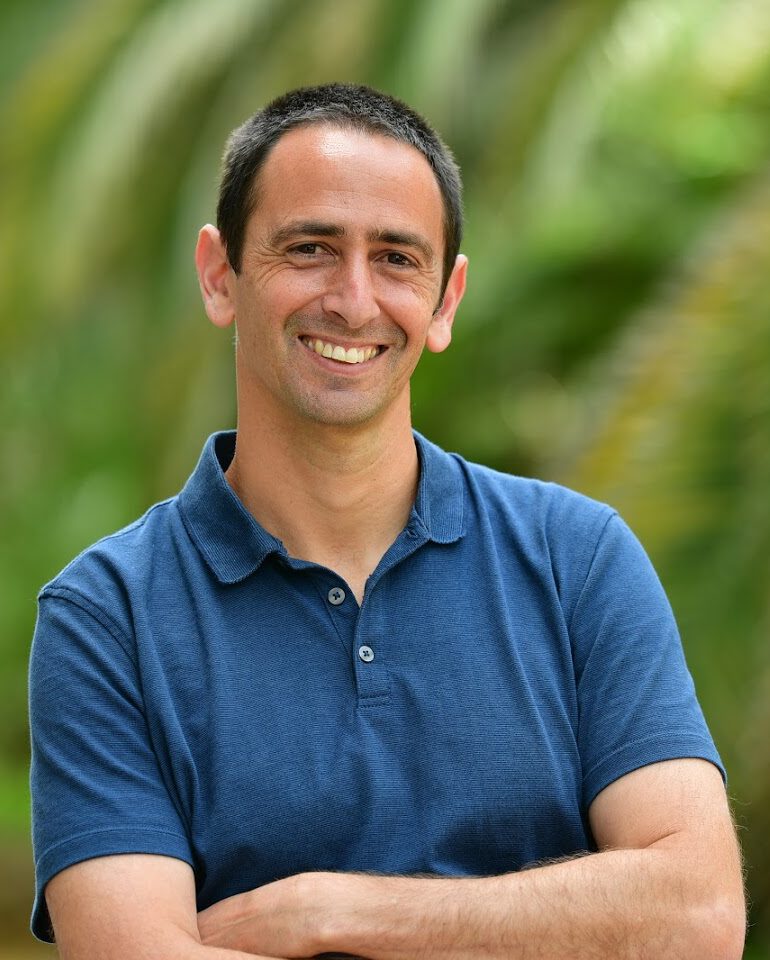
Asaf Levy is a PI at the Hebrew University of Jerusalem. The Levy lab focuses on the genetic basis of bacterial interaction with different organisms, such as plants, fungi, insects, and bacteria. The lab combines computational and molecular microbiology to decipher novel bacterial gene functions, such as toxins and colonization factors. Asaf did his PhD at the Weizmann Institute of Science and later served as a research scientist at the Joint Genome Institute. He opened his lab 6 years ago at the department of plant pathology and microbiology of the Hebrew University of Jerusalem. Asaf is also a head of the Agroinformatics B.Sc. program that combines data science with agronomy studies.
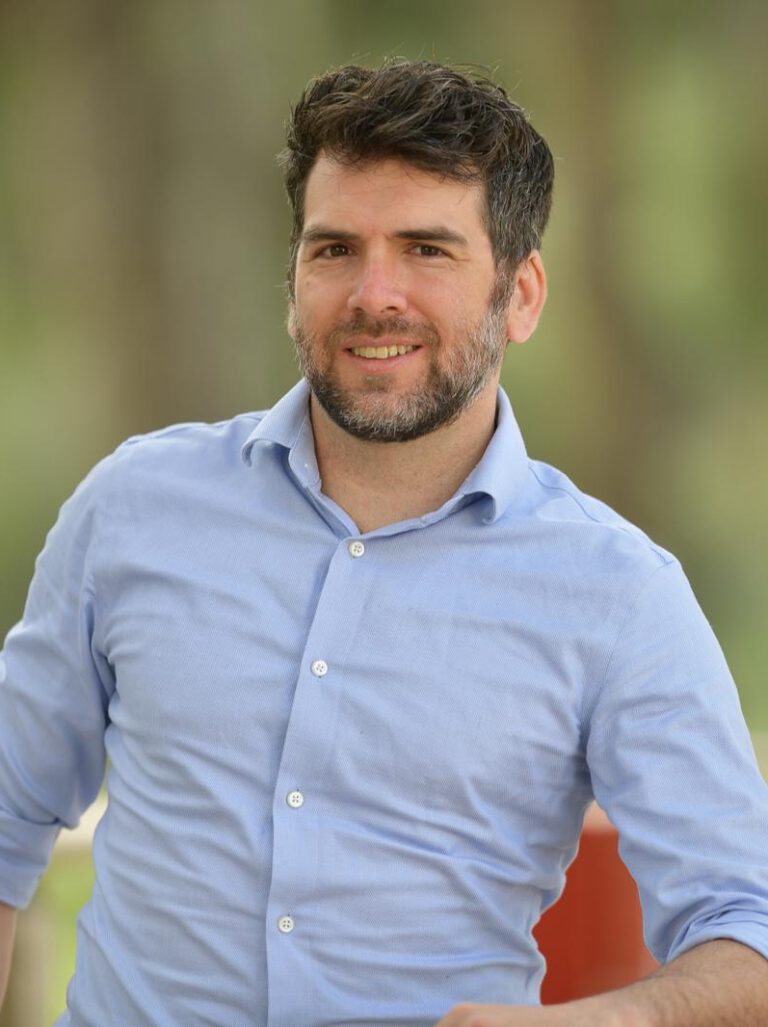
Omri Finkel is a Senior Lecturer in the Department of Plant and Environmental Sciences, The Hebrew University of Jerusalem. He earned his Ph.D. from the Hebrew University, and worked as a post-doctoral researcher the University of North Carolina, before starting his research group in 2020. Omri is a microbial ecologist, interested in understanding how microbial communities assemble in association with plants, and how these interactions evolved. His work within the field of plant-microbe interactions spans the study of microbial biogeography, metagenomics and molecular plant-microbe and microbe-microbe interactions, with a focus on arid habitats.
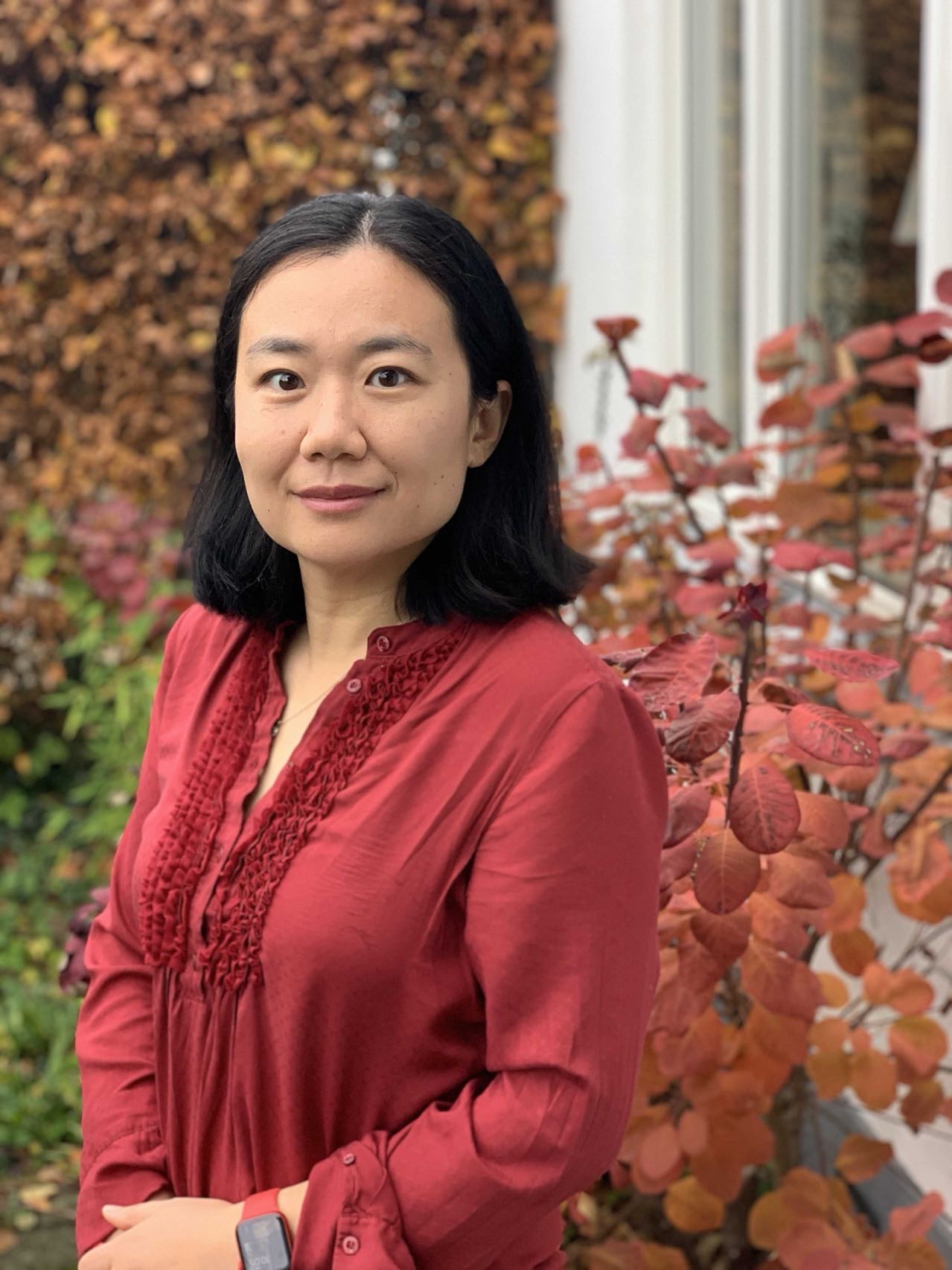
Ling Ding is an associate professor at the Technical University of Denmark, Denmark. She studied biology of sciences in her Bachelor and carried out her PhD in the field of microbial natural product chemistry jointly at Chinese Academy of Sciences and University of Goettingen. She conducted her postdoc at Leibniz Institute for Natural Product Research and Infection Biology Hans Knöll Institute, Germany. She moved to Denmark in 2016 as a scientist at DTU and established her research group in 2018. Her research focuses on plant-microbe interactions and microbial secondary metabolites related to plant protection.
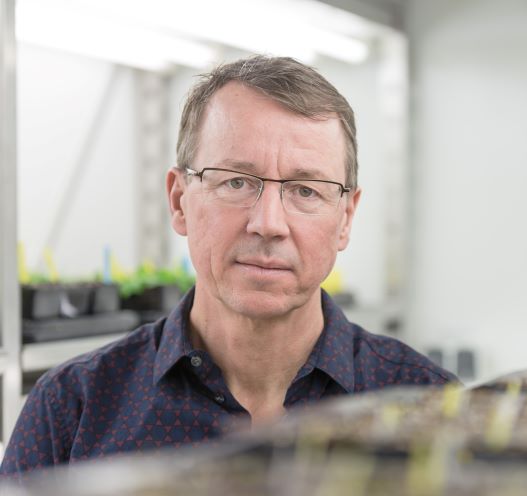
Harro Bouwmeester graduated from Wageningen University, the Netherlands in 1990 and worked there as post-doc and scientist in several research institutes and from 2008 as Chair of Plant Physiology at Wageningen University. Since 1 October 2016 he is Chair of Plant Hormone Biology at the Swammerdam Institute for Life Sciences (SILS) of the University of Amsterdam, the Netherlands. The work in his group is centered around signaling molecules and their role in the communication of plants with other organisms, especially belowground, such as parasitic plants, nematodes and the microbiome. Topics that are studied are the discovery of new signaling relations using omics data, the importance of structural diversity in signaling molecules for biological specificity - for which elucidation of biosynthesis and perception mechanisms are used – and the discovery of unknown roles of signaling molecules. At the end of 2005, he was awarded the prestigious Vici-grant for his work on underground chemical communication of plants with parasitic plants and arbsucular mycorrhizal fungi, in 2015 an ERC Advanced grant for work on the evolution of chemical communication in the rhizosphere of plants and in 2019 an NWO Gravitation grant on the plant-microbiome interaction, called MiCRop (www.microp.org). He is one of the lead PIs in a large programme called Holomicrobiome which was recently funded

Corné Pieterse is professor Plant-Microbe Interactions group and Scientific Director of the Institute of Environmental Biology at Utrecht University. He studied Plant Breeding and Plant Molecular Biology at the Wageningen University where he graduated in 1988. Subsequently, he performed his PhD research in Wageningen on the molecular basis of pathogenicity of the potato late blight pathogen Phytophthora infestans. After obtaining his PhD degree in 1993, he moved to Utrecht University where he was appointed full professor in 2004. His research group investigates how the plant immune system protects plants against microbial pathogens, and how beneficial microbes in the root microbiome stimulate plant growth and immunity. Current research in his group is focused on discovery of plant-beneficial functions that are encoded by the root microbiome and the role of plant genes and metabolites that aid in maximizing profitable plant growth and health functions from the root microbiome. With his research he aims to contribute to grand societal challenges, such as food security and sustainable agriculture. Since 2014 he is an ISI Highly Cited Researcher (World’s top 1% in the field). In 2022, Pieterse and his team received the Spinoza Prize, the highest award in Dutch Academia. In recognition of his contributions to the field, he was elected member of the Royal Netherlands Academy of Sciences and EMBO.
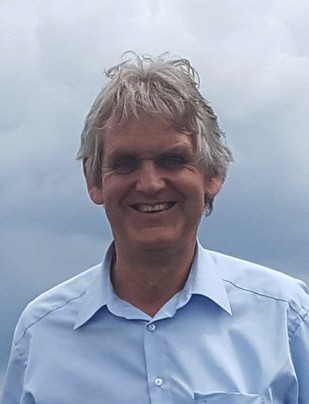
Gilles van Wezel (1964) is Professor of Molecular Biotechnology and Cluster leader Microbiology at the Institute of Biology, Leiden University, The Netherlands. He is also Honorary Fellow at the Royal Academy institute NIOO-KNAW in Wageningen. The van Wezel lab is a team of eclectic scientists from around the globe, and consistently has some 25 scientists (lecturer, technicians, 6-7 postdocs and 12-15 PhD students). Central to the research are the Actinobacteria, which are multicellular mycelial bacteria with a complex life cycle that produce two-third of all known antibiotics and many other molecules with medical application. Aim of the research is to go beyond the known horizons and provide novel insights into the regulatory pathways that control growth, development and antibiotic production of the actinomycetes, and to understand how cells cooperate and differentiate within multicellular systems. This knowledge finds its application in antibiotic discovery and innovative technologies for growth and screening of industrial producer strains. Thus, the research bridges the gap between fundamental, medical and pharmaceutical research, delivering new discoveries, technological innovations and leads for clinical drugs. Gilles is an expert in the field of the biology and genetics of Actinobacteria, and was president of the ISBA, the major organization in the field of the biology of Actinobacteria, from 2011-2022. He coordinated the ISBA meetings in 2014 (Izmir, Turkey) and in 2025 (Egmond aan Zee, the Netherlands).
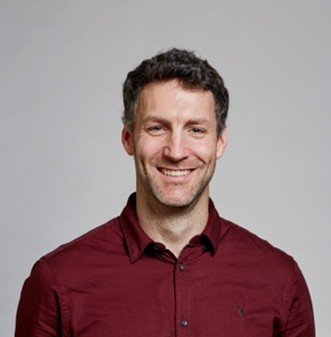
I am an environmental microbiologist with a focus on plant-microbe interactions and nutrient cycling. My PhD was obtained University of Warwick and focused on organic nitrogen cycling in marine bacteria and the subsequent interactions between phototrophs and heterotrophs. Remaining at Warwick as a post-doctoral researcher, I switched to working on soil bacteria and their role in phosphorus cycling in agri-ecosystems. In 2020 I moved to the University of Sheffield to begin an independent fellowship investigating organic phosphorus cycling in Bacteroidota, identifying a unique phosphatase. Receiving a Royal Society University Research Fellowship, my focus is now understanding how phospholipids and polysaccharides shape the plant microbiome and regulate plant-microbe-microbe interactions. The lab uses a range of techniques from structural biology and protein biochemistry through to community-level metaomics approaches. The central aim being to understand how we can engineer the plant microbiome to increase plant productivity and resilience to disease.
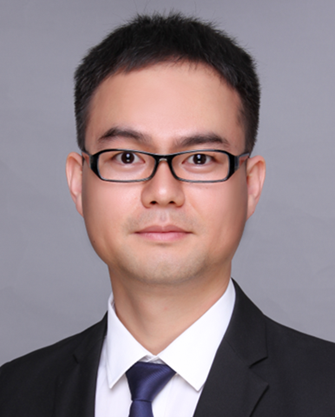
Lingfei Hu is a professor at Zhejiang University, China. He received his Ph.D. from Zhejiang University and conducted postdoctoral research at the University of Bern, Switzerland. His research group investigates how plants resist biotic stresses, focusing on the role of secondary metabolites, particularly volatiles and root exudates, in shaping interactions among plants, herbivores, microbes, and the environment. By integrating molecular biology, analytical chemistry, and soil science, his team connects molecular mechanisms to ecological outcomes, generating insights that contribute to sustainable agriculture.
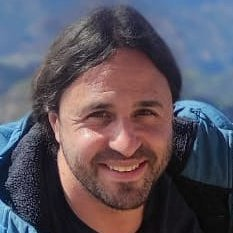
Dr. Huerta-Cepas earned his degree in Biological Sciences from the Universidad Complutense de Madrid in 2003 and completed his Ph.D. in Molecular Biology and Bioinformatics at the CIPF in Valencia (2004–2008), specializing in phylogenomics. He then joined the CRG in Barcelona as a postdoctoral researcher, contributing to several comparative genomics projects. From 2013 to 2018, he worked at EMBL as a senior postdoc and Staff Research Scientist, focusing on microbial genomics and metagenomics. Since 2018, he has held a permanent position as Senior Scientist at the Spanish Research Council (CSIC), where he leads the Comparative Genomics and Metagenomics group at the Center for Plant Biotechnology and Genomics (CBGP) in Madrid. He is also an Associate Professor of Genomics at the Polytechnic University of Madrid (UPM). Dr. Huerta-Cepas’s research focuses on developing computational methods and resources to study microbial communities from both functional and phylogenetic perspectives. His lab is particularly interested in microbial ecology, function, and evolution. Recent projects include large-scale metagenomic surveys aimed at identifying novel microbial functional modules associated with specific environmental conditions. He is also an active developer and maintainer of widely used open-source tools in phylogenomics and comparative genomics, such as eggNOG, eggnog-mapper, and the ETE Toolkit.